
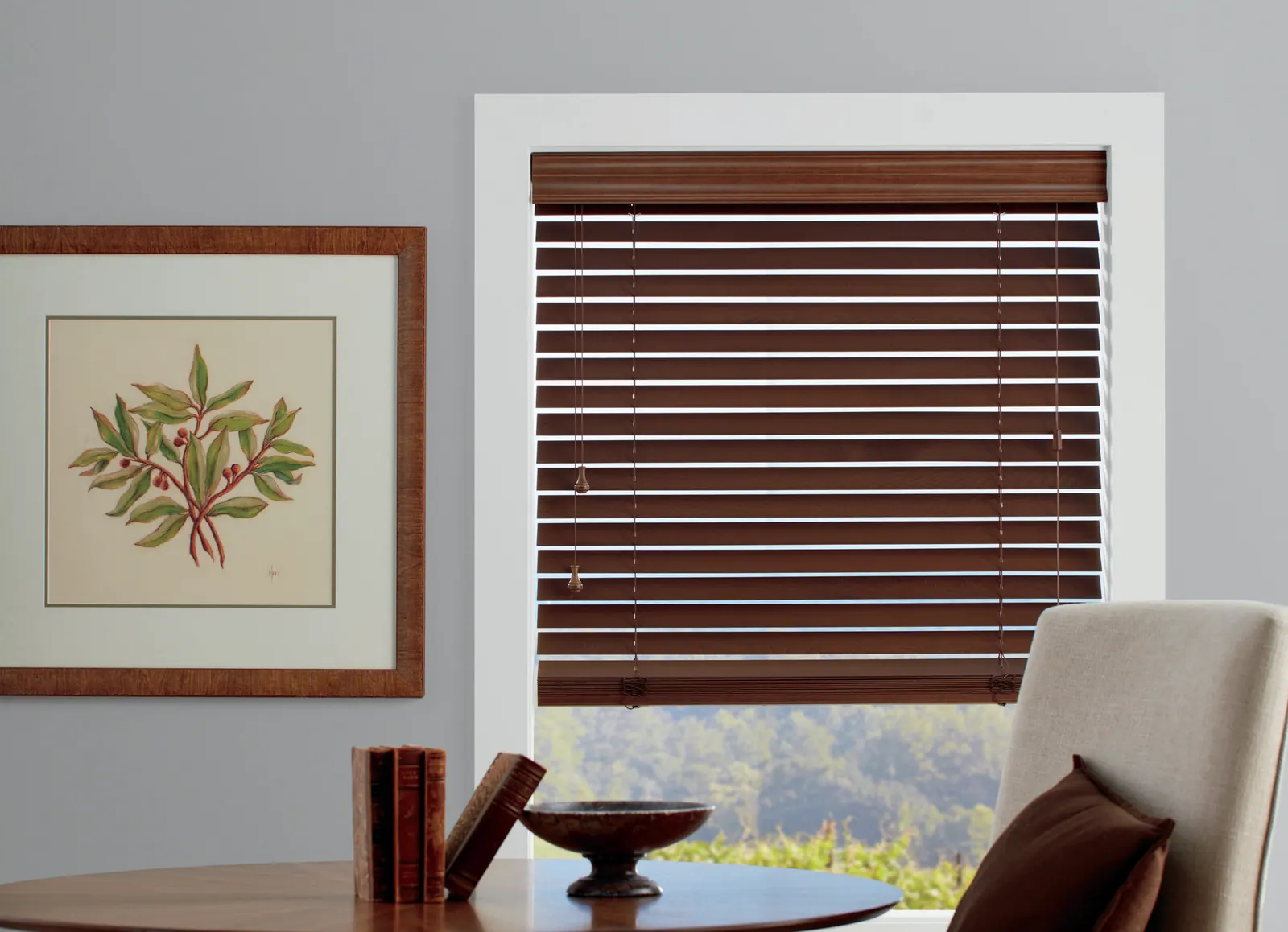
How Do Wooden Blinds Work? The Mechanism Explained
Wood blinds use a ladder of cords to tilt every slat in unison and a separate lift system to raise the stack. Here's how each part works and what fails first.
Family owned in Colorado Springs since 2003
Advice & guides
36 guides covering how each product works, what it costs, how to look after it, and which ones hold up at 6,000 feet with 300 days of sun a year.
Wood blinds use a ladder of cords to tilt every slat in unison and a separate lift system to raise the stack. Here's how each part works and what fails first.
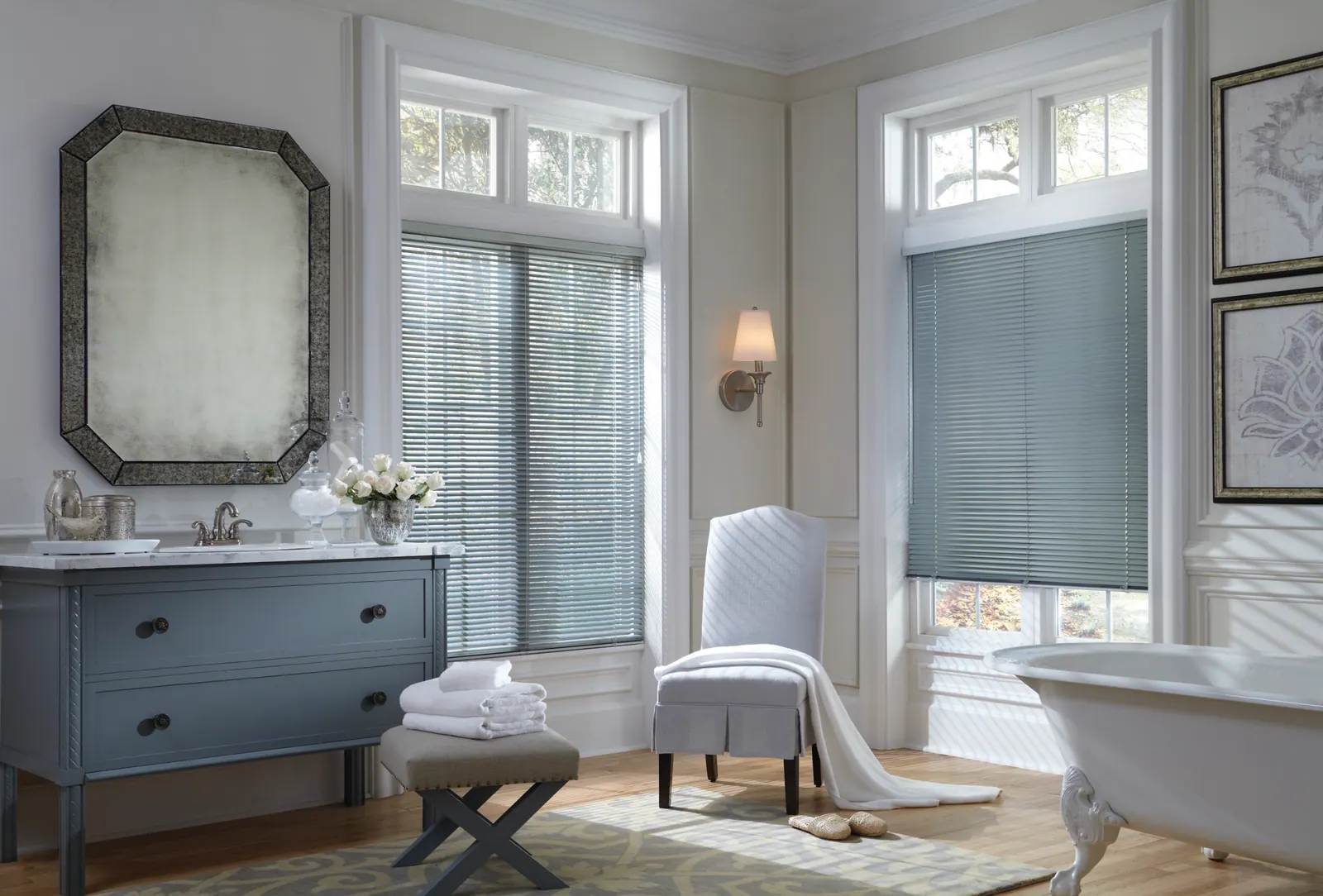
Aluminum blinds reflect heat, resist moisture and stack smaller than any other slat. Where they excel, and where another material is better.
Most blinds last 8–20 years depending on material and sun exposure. What determines lifespan, what fails first, and when repair beats replacement.
There's no fixed schedule, but there are clear signals. Here's how to tell whether your blinds need replacing, repairing, or simply cleaning.
Wide slats, cordless operation, warm neutrals and motorization are defining current window treatment style. Here's what's current, and what actually lasts.
Wood vs faux wood blinds compared: pros, cons, cost differences, moisture resistance and the rooms each material genuinely suits.
The most popular types of window blinds explained (wood, faux wood, aluminum, vertical and mini) with the rooms each one suits best.
Mini blinds vs faux wood blinds compared on cost, appearance, durability and light control, and which rooms each one genuinely suits.
A complete guide to aluminum blinds: slat sizes, finishes, durability and where they outperform other materials.
A quick guide to choosing window shades: opacity, shade type, inside or outside mount, and which lift option suits each window.
How to choose window treatments room by room: balancing light, privacy, insulation and budget across a whole house.
A practical method for cleaning roller shades by fabric type (vinyl, solution-dyed, solar mesh and natural weaves) plus what to avoid.
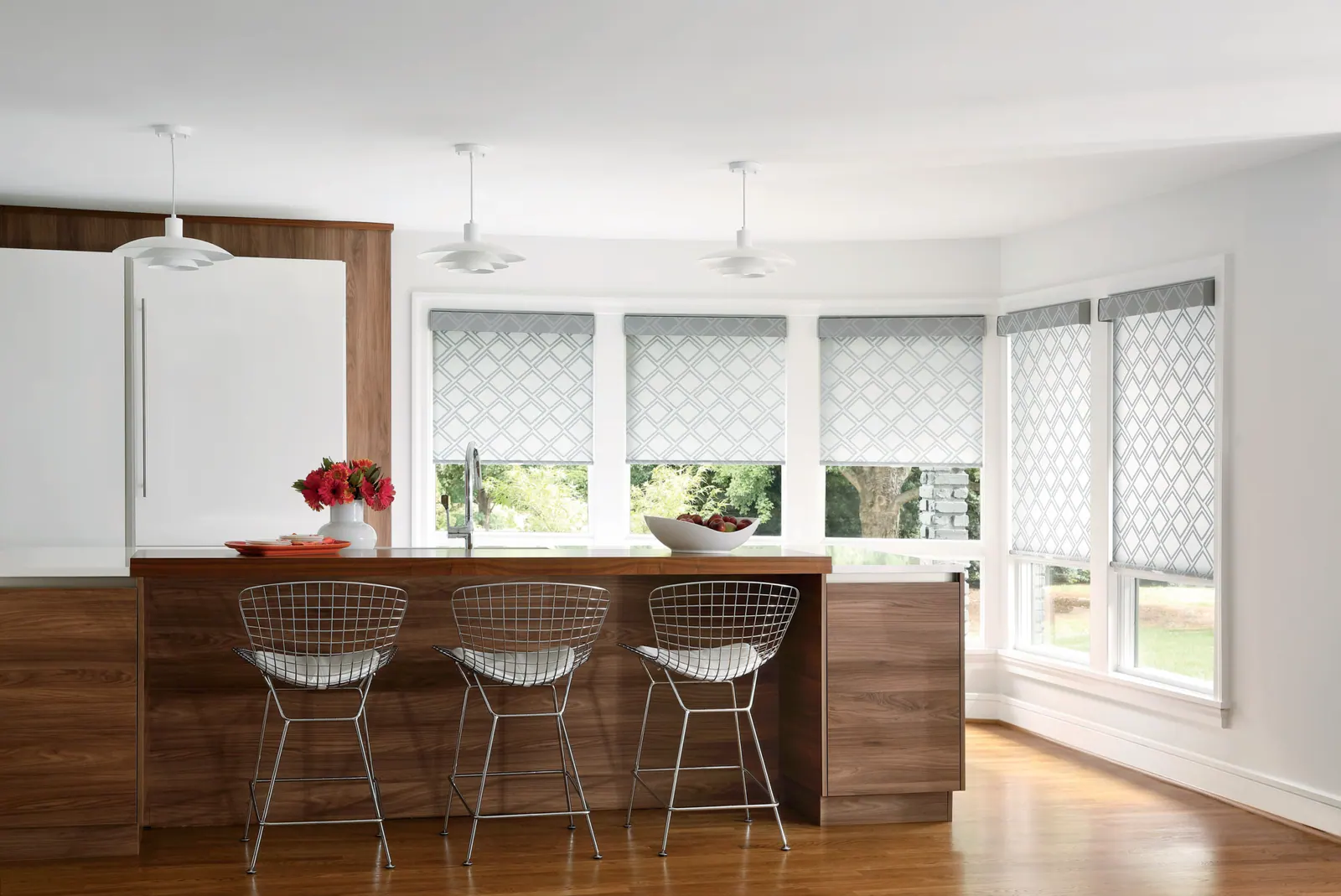
Roller shades are among the lowest-maintenance window treatments available. Here's how they compare to blinds, cellular shades, Romans and shutters.
A step-by-step method for cleaning window mini blinds, including how to deep clean aluminum blinds properly without bending the slats.
How to clean and maintain blinds and shutters by material (wood, faux wood, aluminum and composite) plus the mistakes that shorten their life.
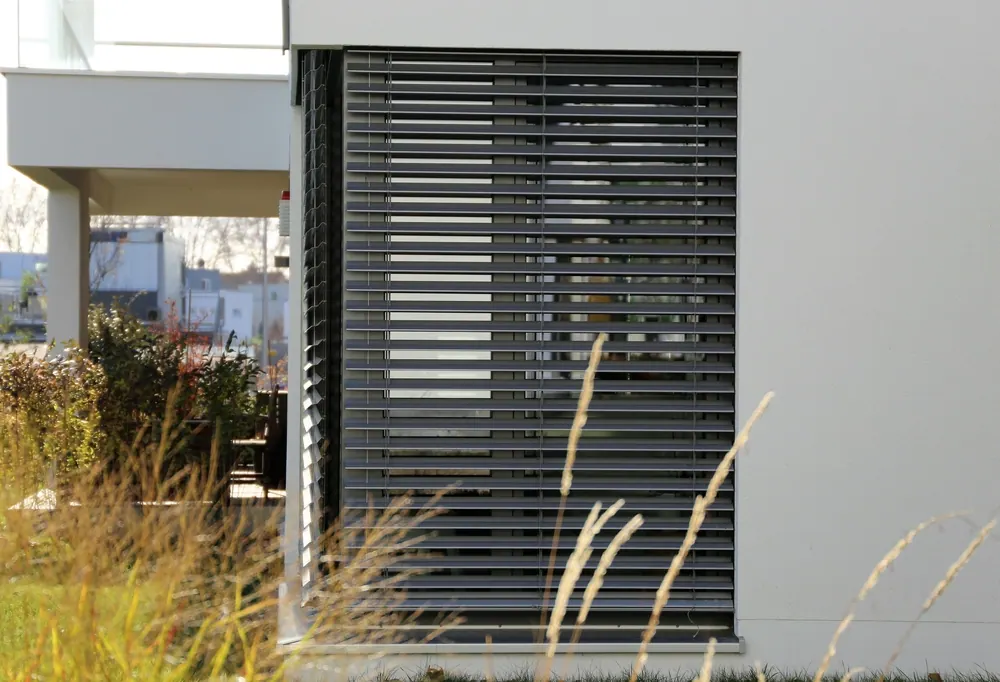
Choosing exterior shutters for a commercial building: materials, weather resistance, maintenance and what holds up in Colorado.
The window blind trends that defined 2023: wider slats, cordless lifts, warm neutral finishes and the move toward motorization in the home.
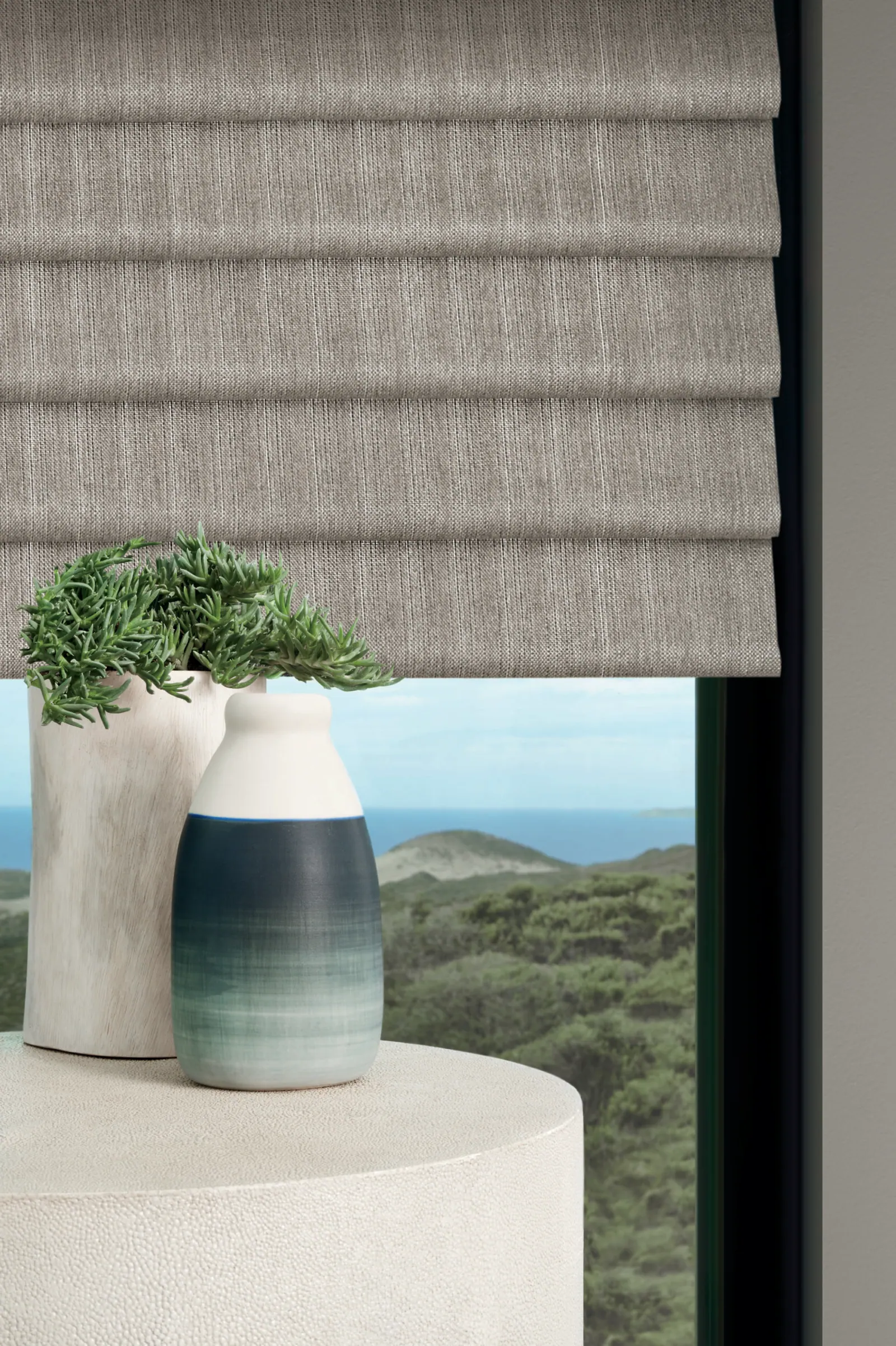
How to coordinate window coverings with your trim, paint and furnishings without matching everything exactly, and where contrast works better.
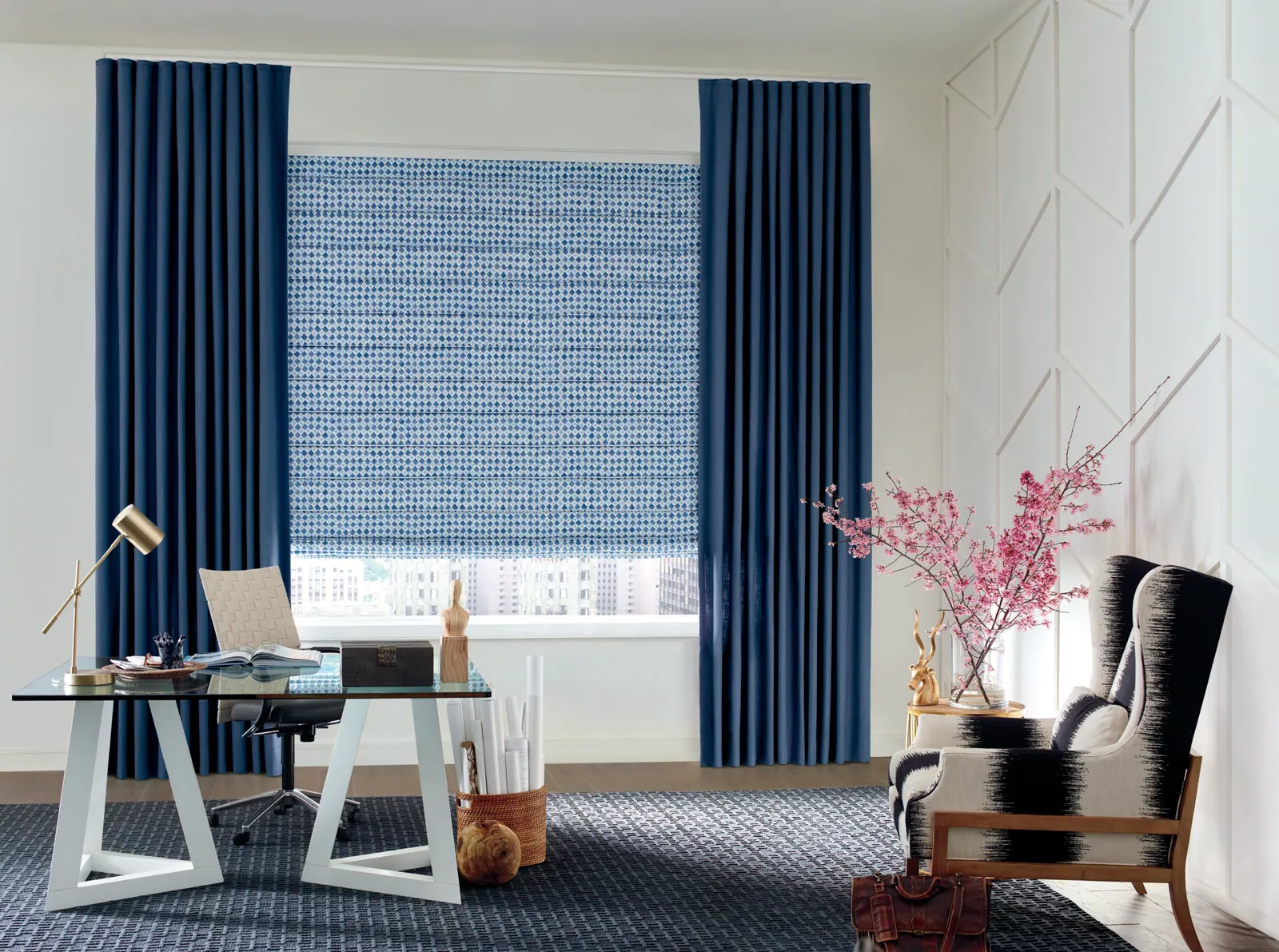
How to choose drapes: fabric weight, fullness ratio, heading style, lining options and how high above the window to hang the rod.
Drapes vs curtains: what actually distinguishes the two, how lining and fullness differ, and which suits your room, budget and window.

The practical benefits of motorized window treatments: reaching high windows, scheduling around the sun, energy savings and child safety.
Honeycomb shades have a 1990s reputation they no longer deserve. Here's what's changed, what hasn't, and why they remain the top choice in cold climates.
Roller shades wind a single fabric panel onto a tube. Here's how the lift works, what reverse roll means, and why cassette and channel choices matter.
Roller shades cut solar heat gain effectively but insulate poorly. Here's how they perform in summer and winter, and when a cellular shade is the better choice.

Most roller shades last 8–15 years, with sun exposure the biggest variable. Here's what wears out first and how to get more life out of them.
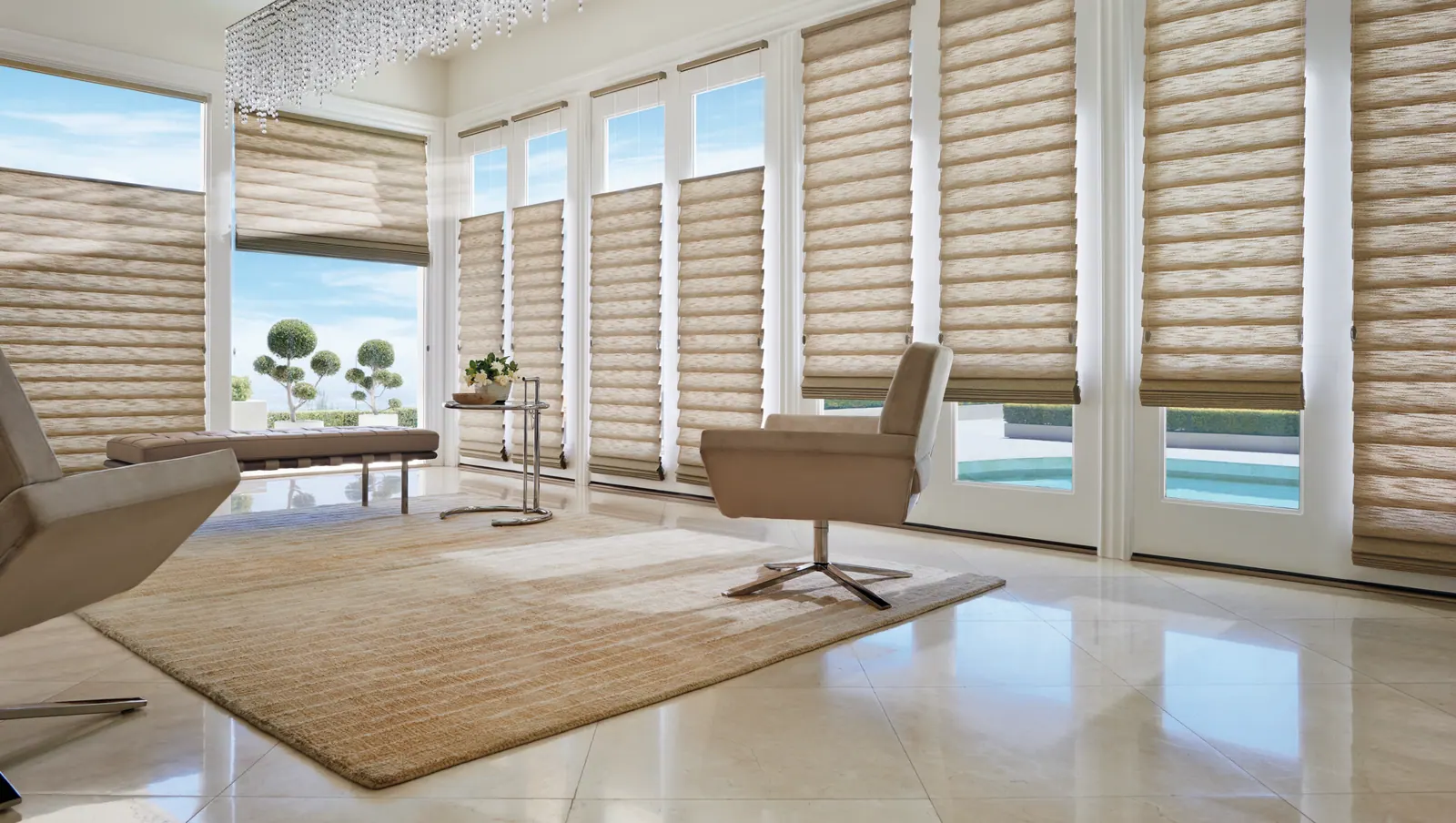
Roman shades fold into horizontal pleats as they rise, using rings sewn to the fabric. How the mechanism works and which fold style to choose.
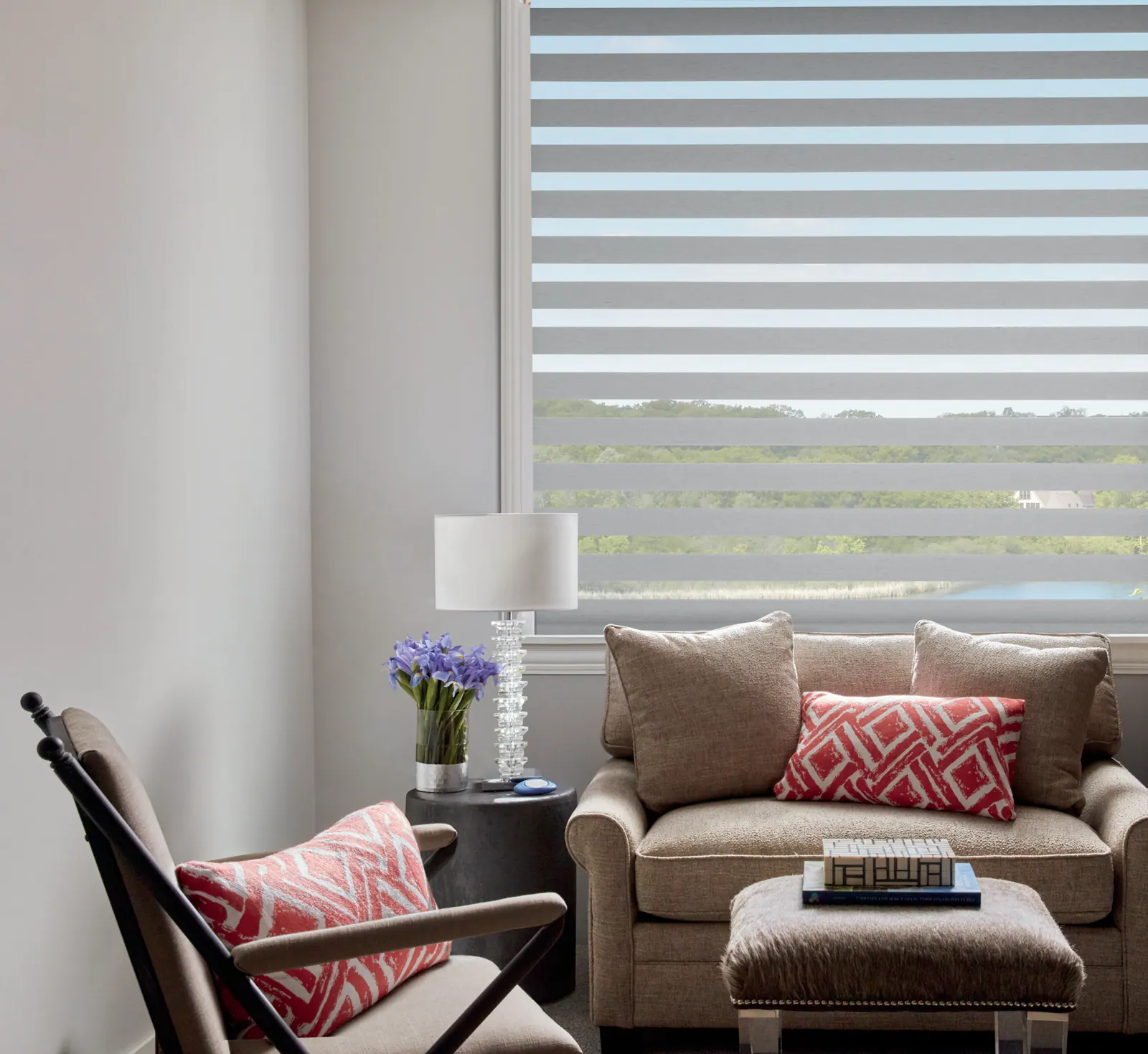
Dual shades alternate sheer and solid fabric bands so you can switch between view and privacy in a few inches of movement. Here's how they work.
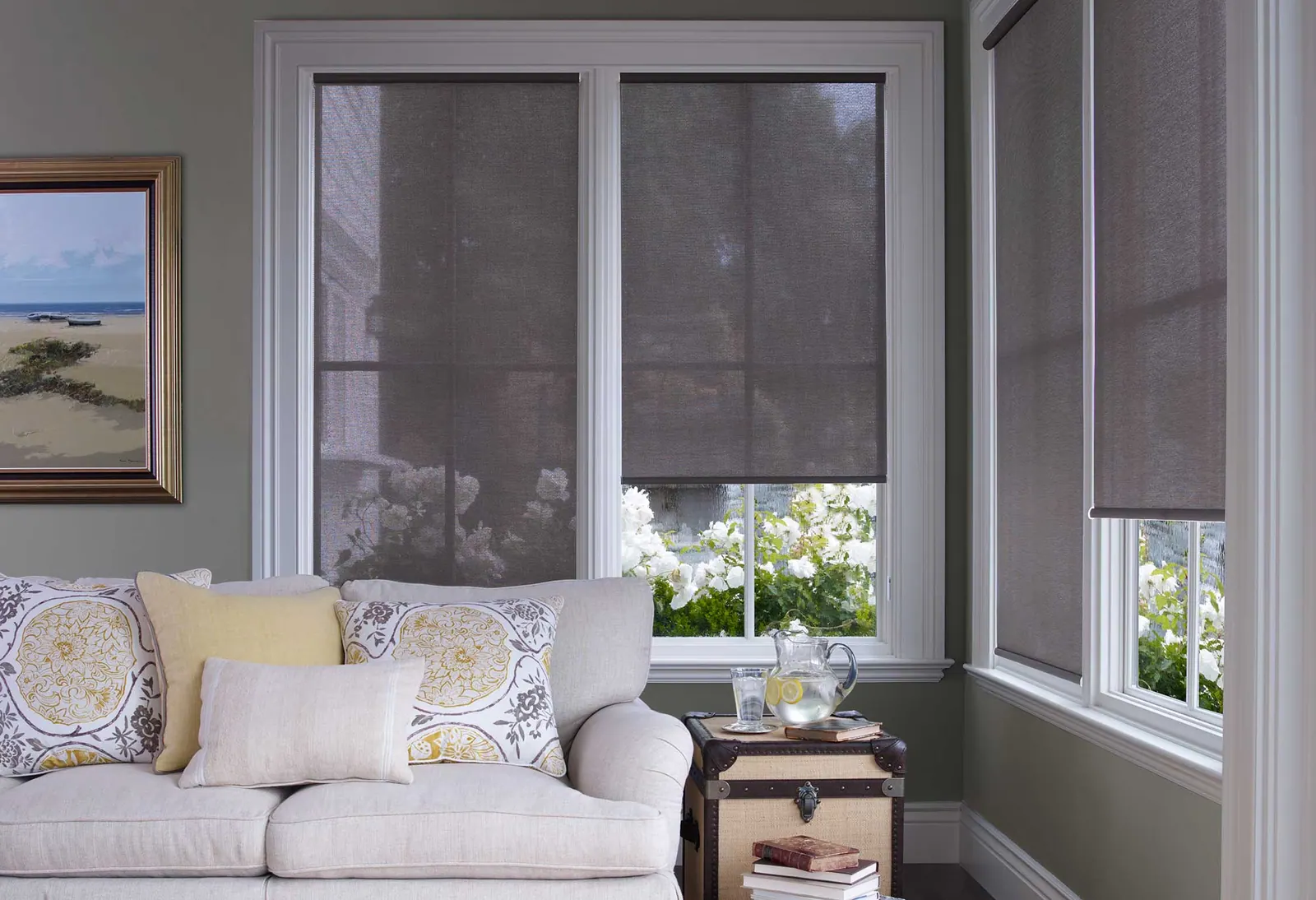
Solar screens are roller shades in an open-weave mesh that cut glare, heat and UV while staying transparent. How openness factor works.
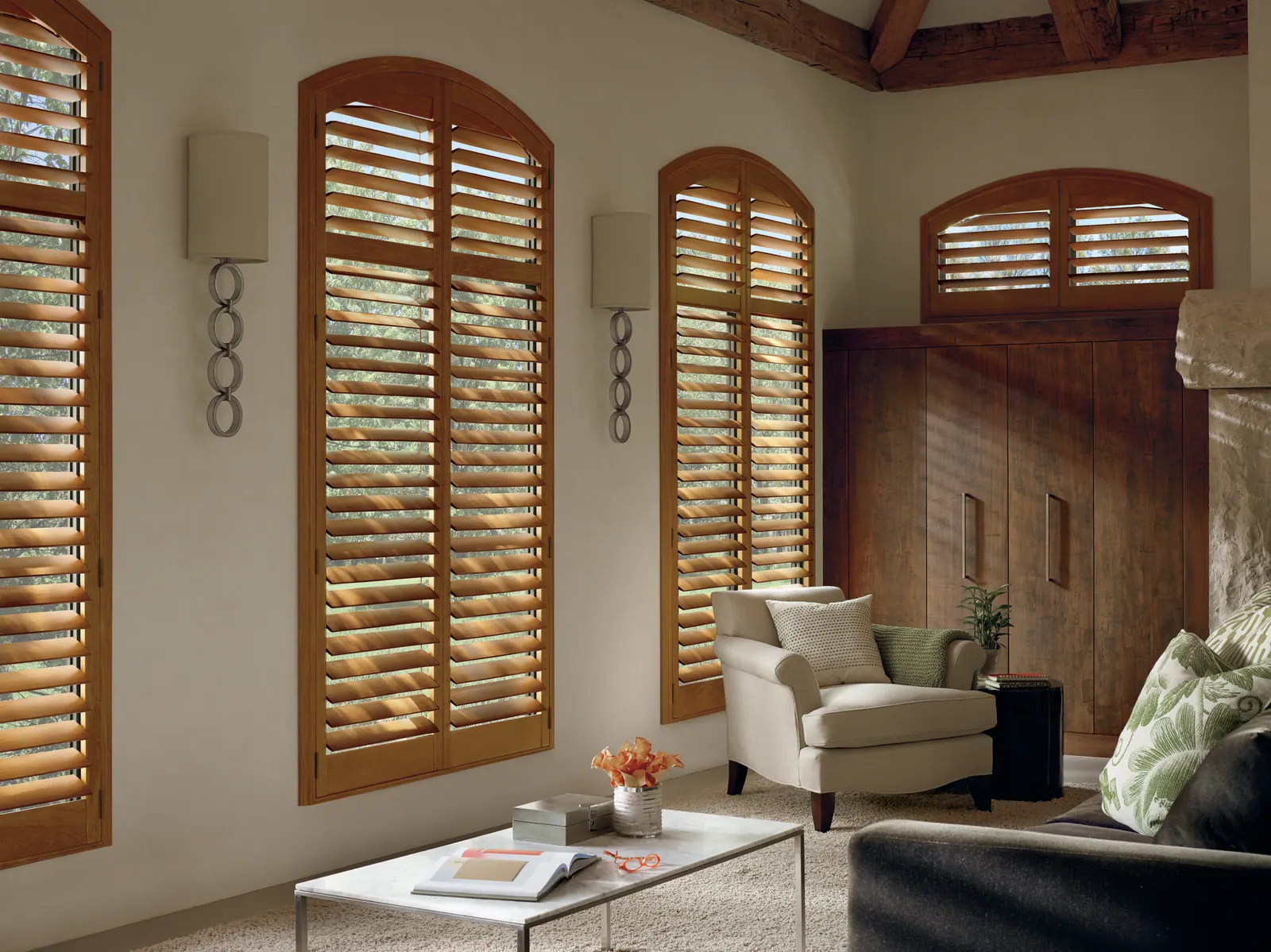
A plantation shutter is a wide-louvered shutter fitted into the window opening. How they are built, what they cost, and when to choose them.
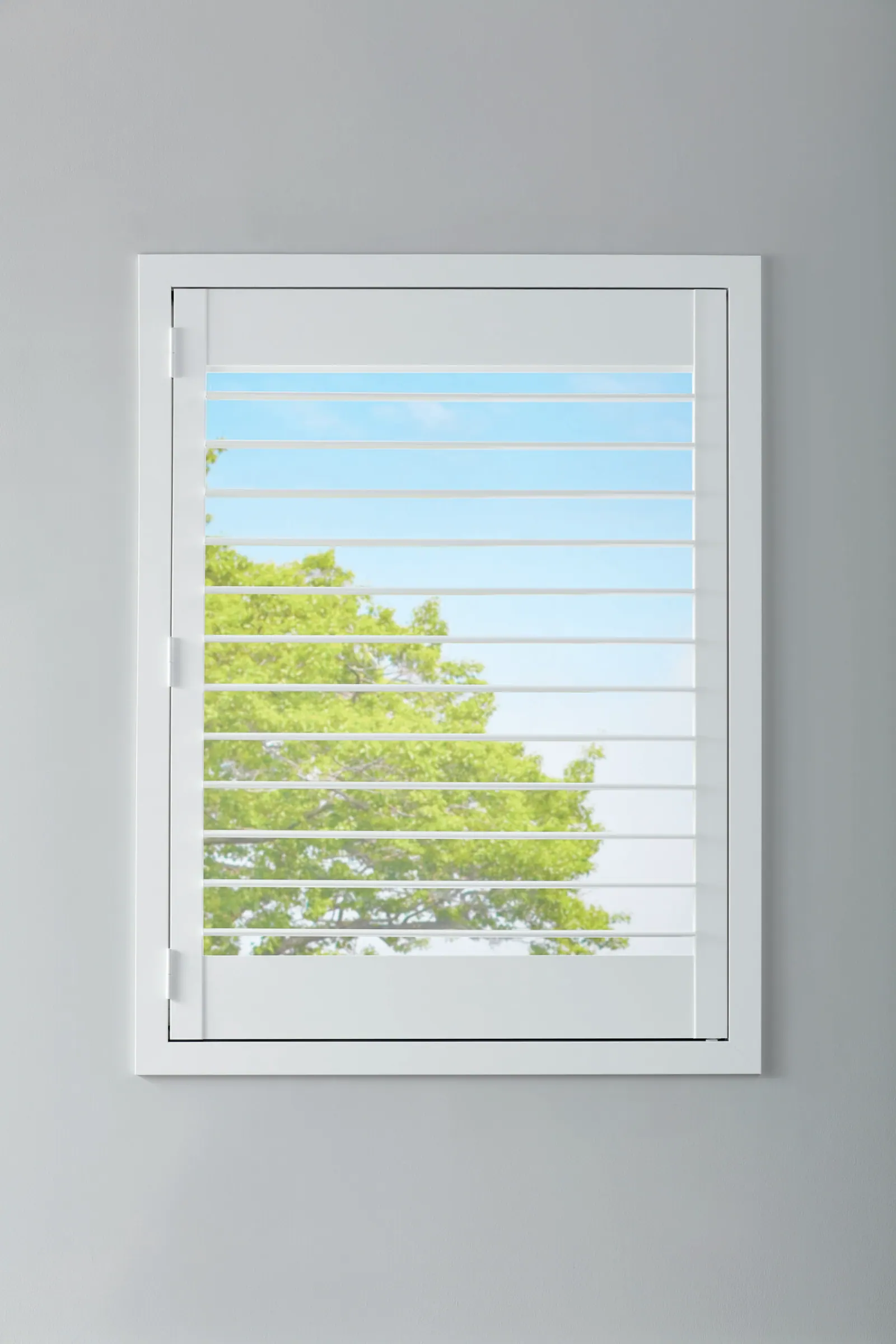
Composite shutters use an engineered wood core in a polymer skin. They resist moisture, warping and fading, and cost less than hardwood.
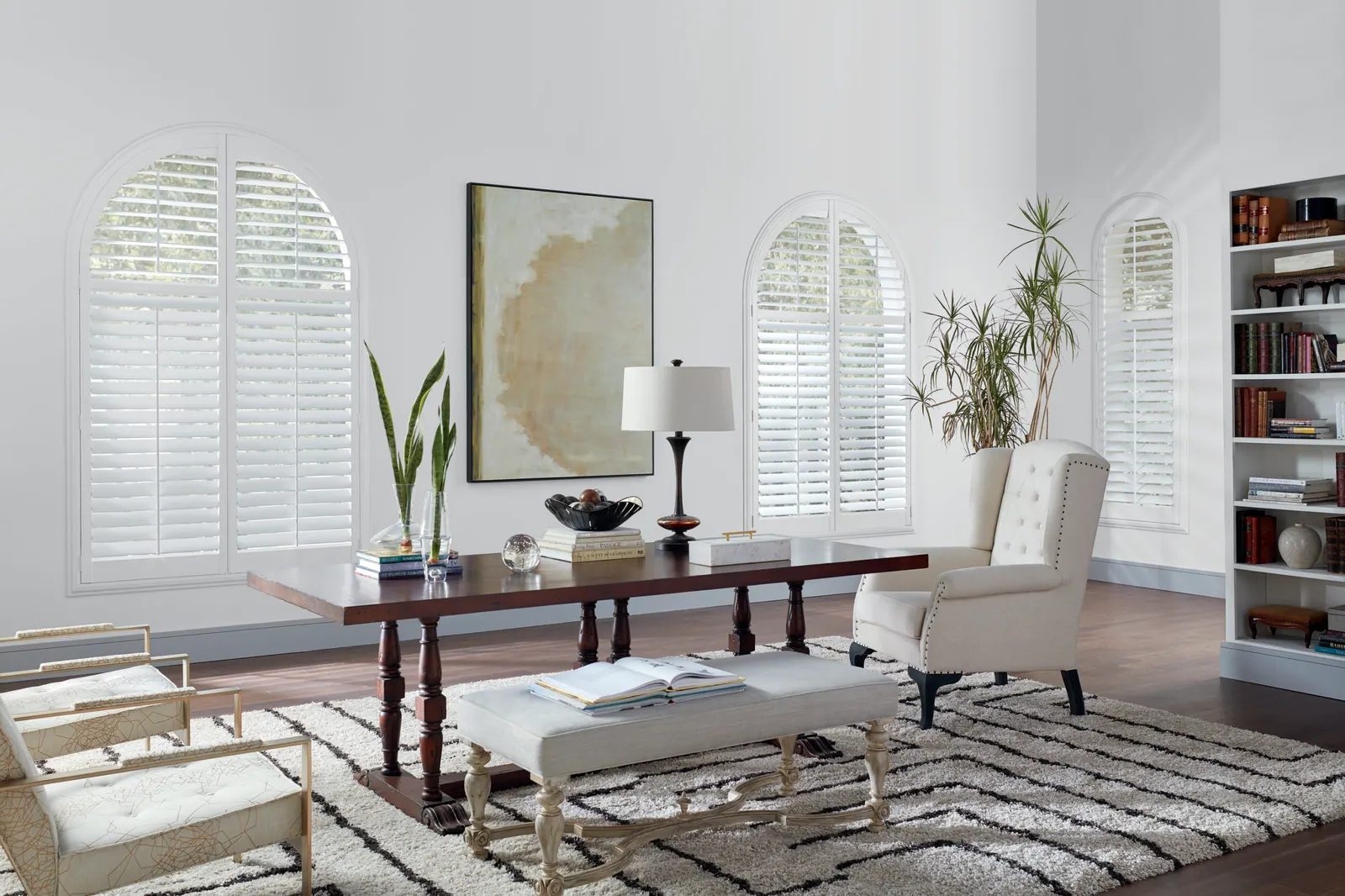
Hardwood vs composite plantation shutters compared on cost, durability, finishes and weight, written for the Colorado climate.
Comparing shutter materials (hardwood, composite, vinyl and hybrid) on durability, cost and appearance, and which suits the Colorado climate.
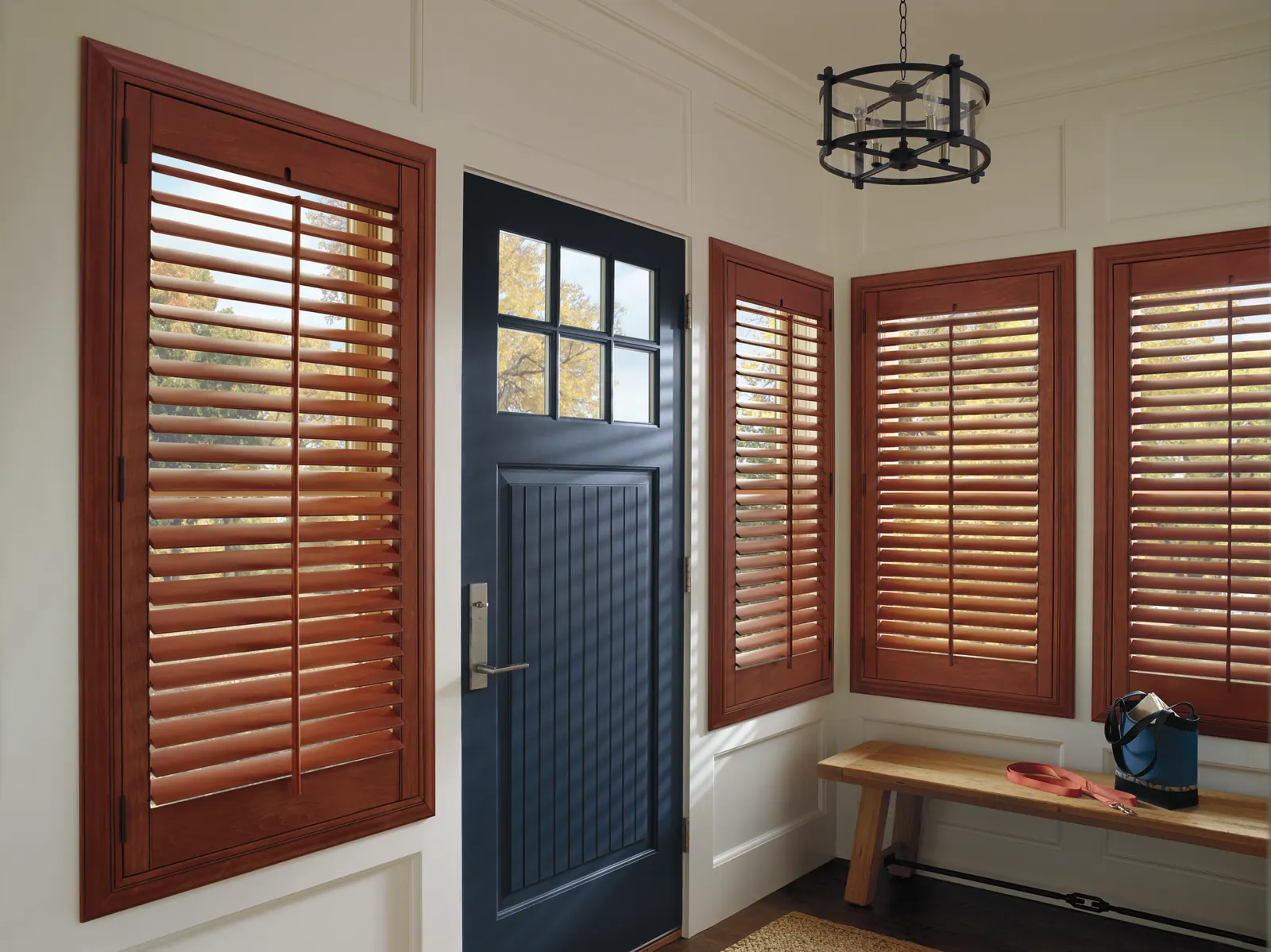
Shutters or blinds? A practical comparison of cost, light control, insulation, resale value and which rooms suit each.
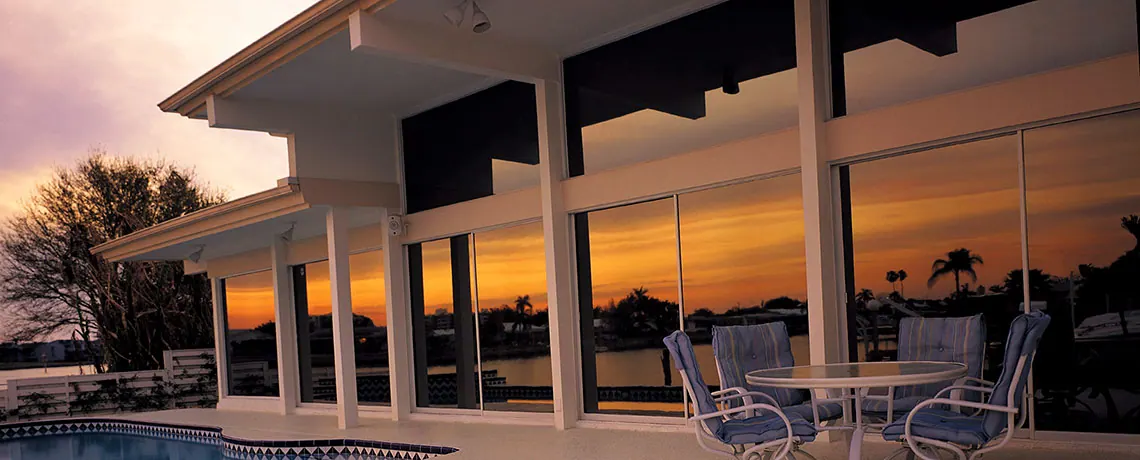
Top reasons to consider window tint for your home: heat rejection, UV protection that saves your floors, glare control and added privacy.
The environmental impact of window tints: energy savings, material sustainability and lifecycle considerations.
Free in-home consultation, careful measurement of every opening, and professional installation.
Based on 160 Google reviews
“I am so pleased with my new blackout shades! Scott and Mitchell definitely know the ins and outs of window coverings. They can meld what you are trying to achieve with the space you have to work with and suggest just the right products. Installation was smooth, and they even offered some helpful tips for using my shades to the fullest. Great experience!”
Paula Wood