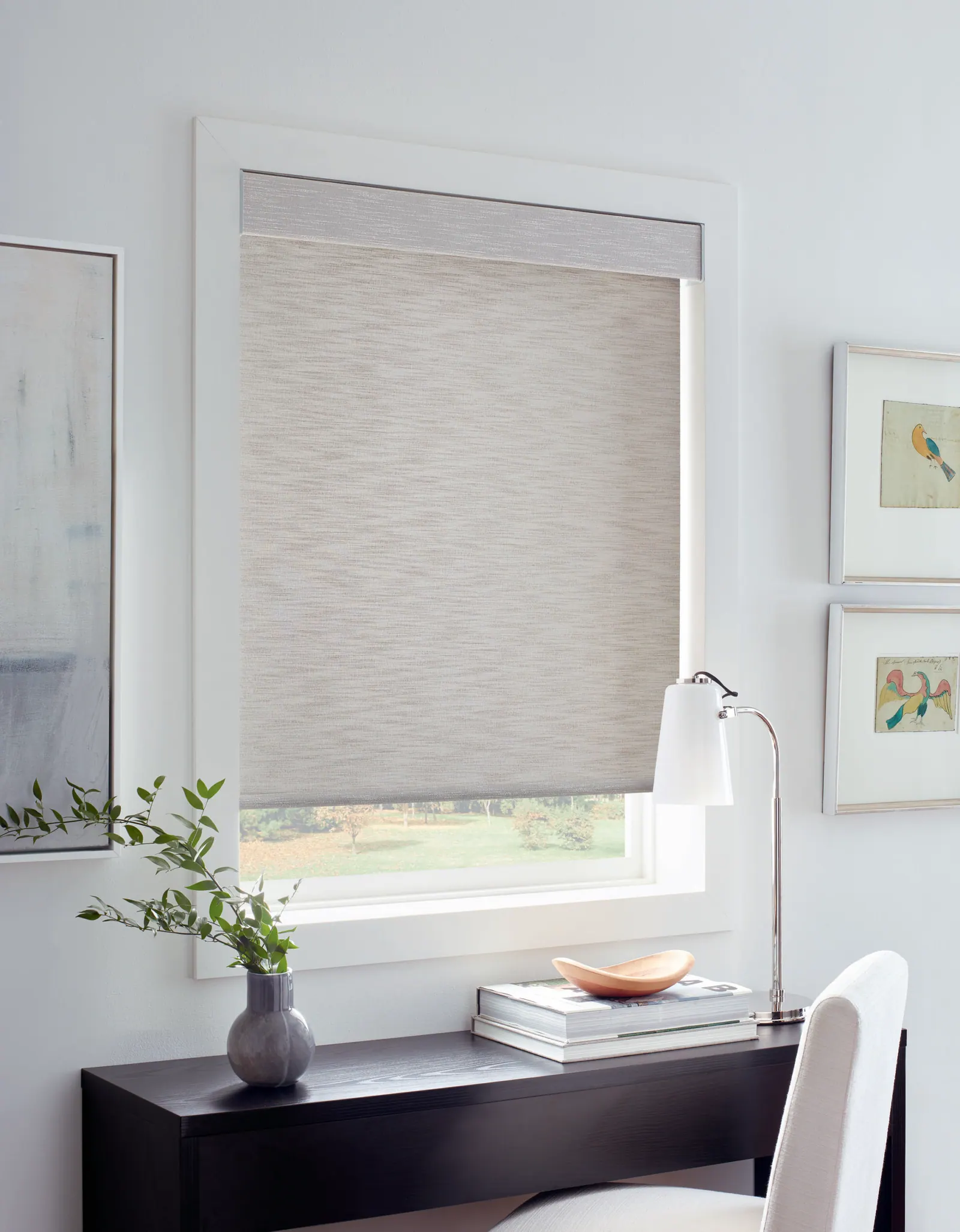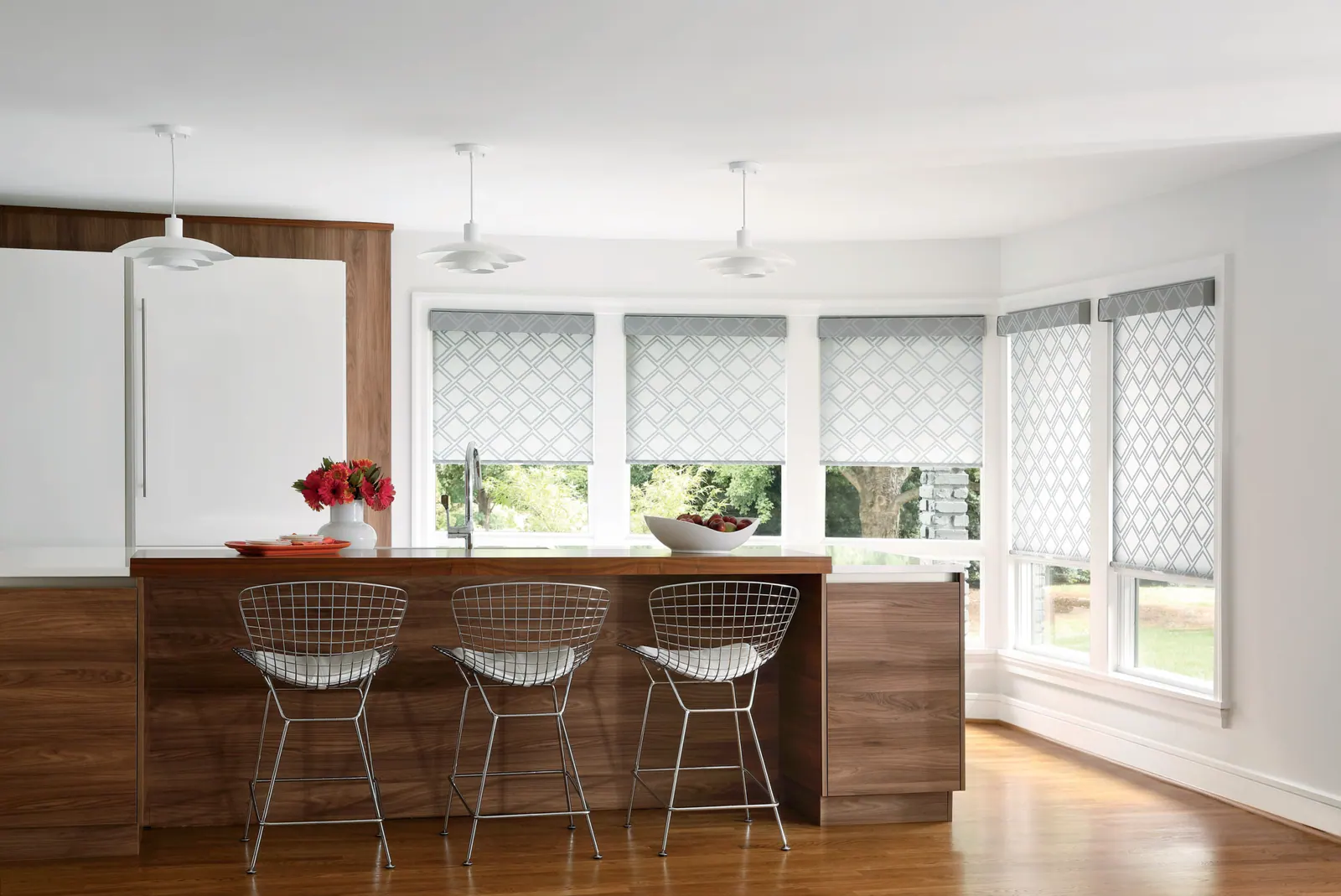
Yes, and the reason is structural rather than material. A roller shade is one flat plane of fabric. There are no slats to work between, no folds to trap dust, and no cells to vacuum out.
Why the shape matters more than the fabric
Cleaning difficulty across window treatments comes down almost entirely to surface geometry.
A blind has 25 to 40 individual slats, each with two faces, plus route holes that collect dust. A cellular shade has enclosed cells that trap fine dust where a cloth cannot reach. A Roman shade has permanent horizontal folds that catch dust along every crease. A shutter has wide louvers, which is better, but still two faces each.
A roller shade is a single continuous surface. One pass down it with a vacuum brush covers the entire thing.
How the categories rank
Roughly from easiest to hardest, in our experience:
- Roller shades and solar screens: one flat plane, and mesh lets dirt pass through rather than settling.
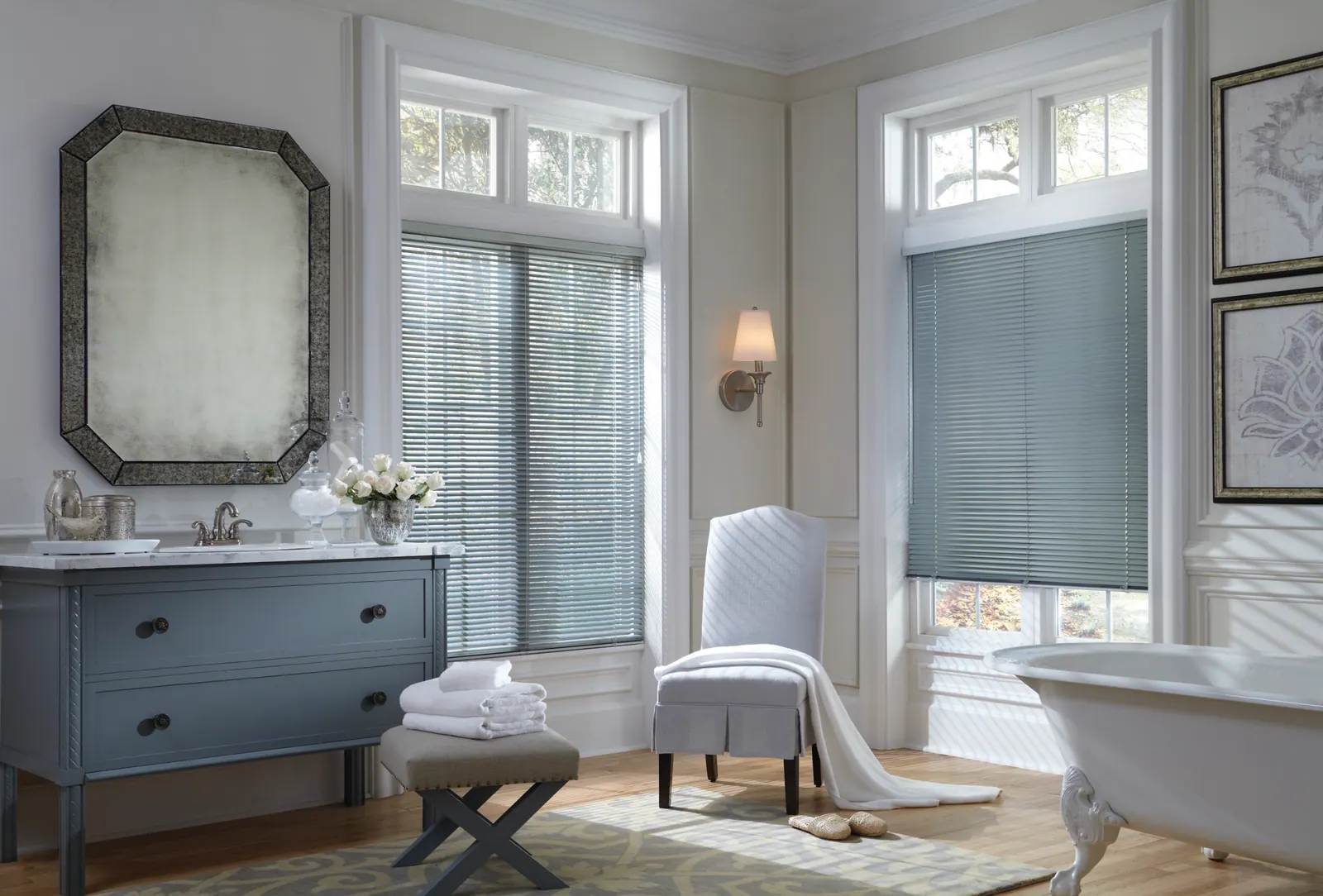
- Aluminum and faux wood blinds: many slats, but the material tolerates a damp cloth without any caution.
- Composite shutters: few, wide louvers and a non-porous surface.
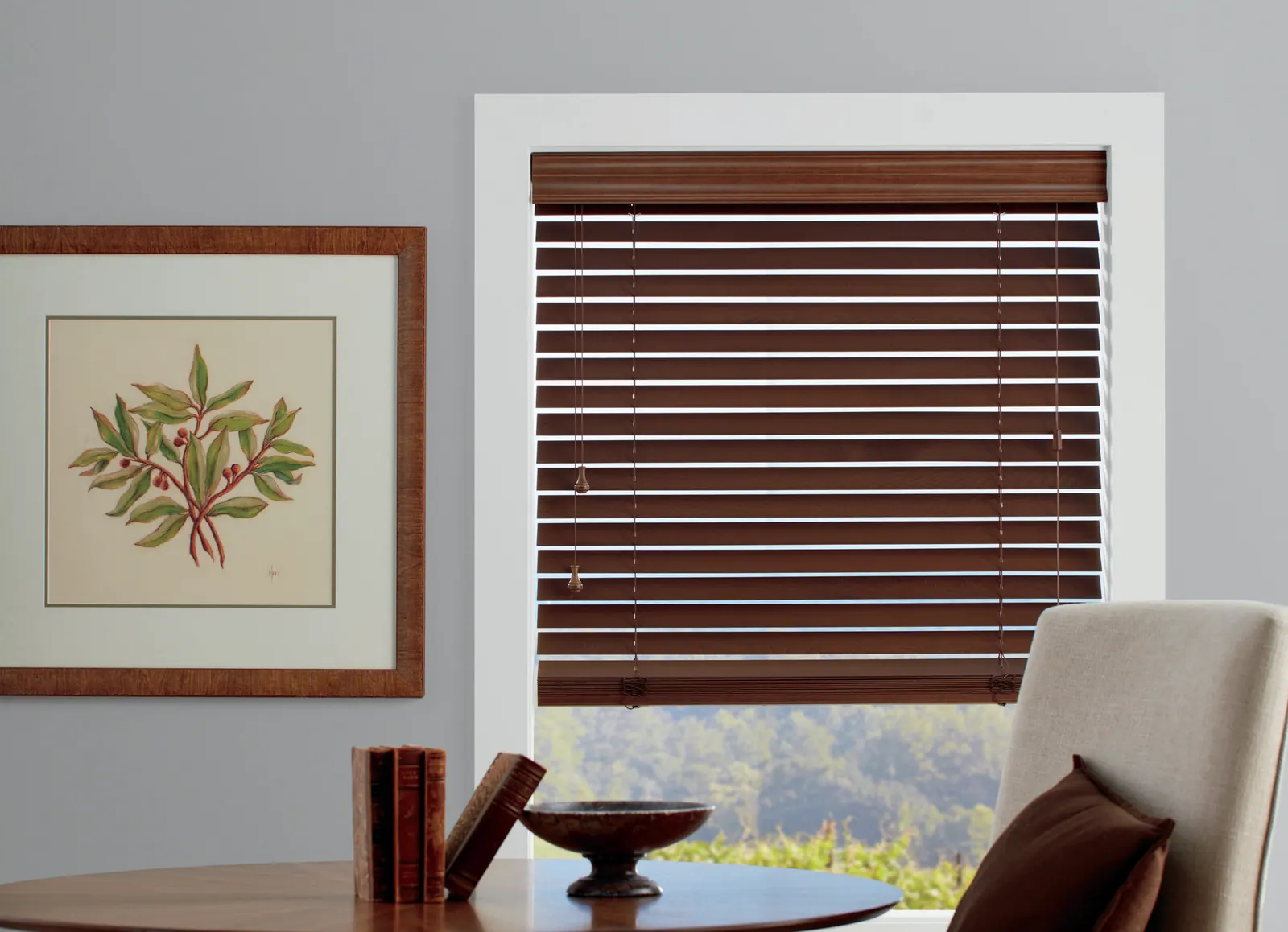
- Wood blinds and hardwood shutters: same geometry, but water has to be used carefully.
- Cellular and honeycomb shades, enclosed cells need vacuuming and cannot really be wet-cleaned.
- Roman shades and draperies: permanent folds, delicate fabrics, and generally professional dry cleaning rather than home cleaning.
Where roller shades still need care
Natural woven fabrics: bamboo, reeds and grasses cannot be wet-cleaned at all. Dry vacuuming only.
Blackout laminated backings can delaminate if soaked.
Kitchens: airborne grease bonds dust to fabric, and that is harder to remove than dust alone. Above a range, a vinyl roller or a faux wood blind is the sensible specification.
Drying: the one genuine rule. Always let a damp shade dry fully extended before rolling it up.
Specifying for low maintenance
If cleaning effort is a real priority (a rental, a holiday home, a kitchen, a house with pets) a few choices make a large difference.
- Choose vinyl or vinyl-coated fabrics, which take a damp cloth without any caution.
- Choose mid-tone neutrals, which show dust far less than white or very dark colours.
- Choose a cassette headrail, which keeps dust off the roll itself.
- Choose solar mesh on windows that get opened, since dirt passes through an open weave rather than settling on it.
Common questions
- What is the easiest window treatment to keep clean?
- Roller shades in a vinyl or vinyl-coated fabric, followed by aluminum blinds, which can be taken down and washed outright, something no fabric product tolerates.
- Do roller shades collect dust?
- Less than slatted or folded treatments, because there is no geometry for dust to sit in. A vertical flat surface sheds most of it. Occasional vacuuming is usually all they need.
- Are roller shades good for allergies?
- Generally yes. Fewer surfaces for dust to accumulate on, and easier to wipe down than fabric alternatives. A smooth vinyl roller is about as low-allergen as window treatments get, whereas cellular shades and heavy drapery hold considerably more.