The windows that justify it on their own
Motorisation is worth it everywhere, but there are four situations where it stops being optional.
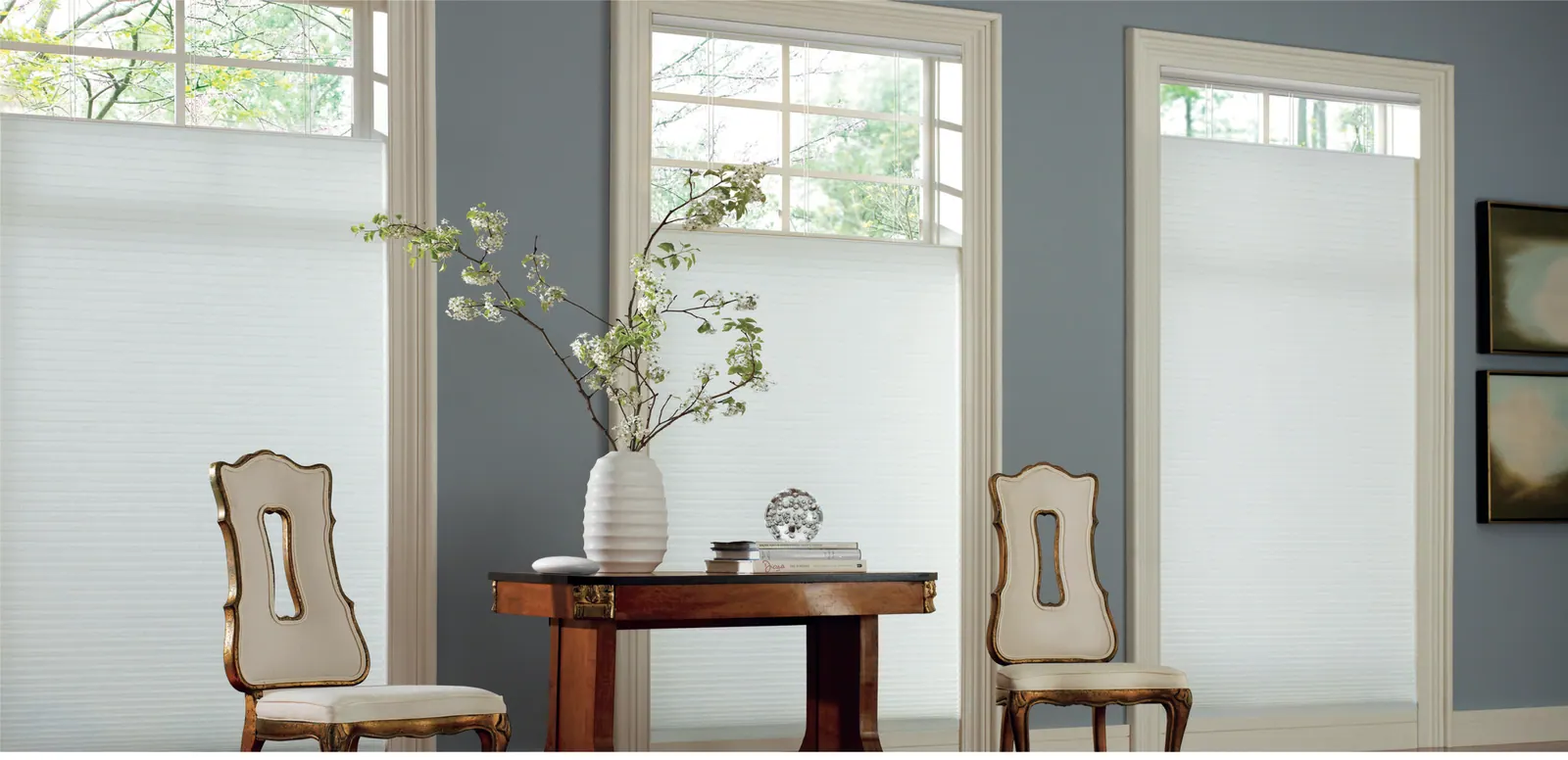
Windows you cannot reach. Great room clerestories, stairwell landings, transoms above patio doors, anything above eight feet. An unreachable window covering gets set once and never touched again, which means you paid for adjustability you never use.
Wide runs of glass. A wall of five windows means five separate operations every morning and evening. With motors it is one button, and every shade lands at exactly the same height, which is a detail that turns out to matter visually far more than people expect.
Heavy treatments. Wide faux wood blinds and large Roman shades are genuinely heavy to lift by hand, and the strain shows in the mechanism over time.
West-facing glass. This is the Colorado-specific one. The point of a shade on a west window is to be closed before the afternoon heat arrives, not after you notice the room is uncomfortable. Scheduled operation does that reliably; human memory does not.
Battery or hardwired
Rechargeable battery motors are the default for retrofits and the large majority of what we install. The motor and battery live inside the headrail or tube, so nothing is visible. You recharge with a plug-in cable every one to three years depending on how often the shade runs and how large it is. There is no wiring, no electrician, and no drywall work.
Hardwired motors run on low-voltage power from a transformer. They never need recharging, they are the right choice for very large or heavy treatments, and they are what we specify in new construction. The catch is that the wiring has to be there, which means planning it before drywall goes up.
If you are building or substantially remodelling anywhere in the northern Colorado Springs developments, this is the single most useful thing to know: talk to us before drywall. Running low-voltage to your window headers at framing costs very little and takes an hour. Retrofitting it afterwards means opening walls.
Solar charging is a third option worth knowing about, a small panel on the window keeps the battery topped up indefinitely. It works well on south and west windows, which in this climate is most of the ones you would motorise anyway.
How you actually control them
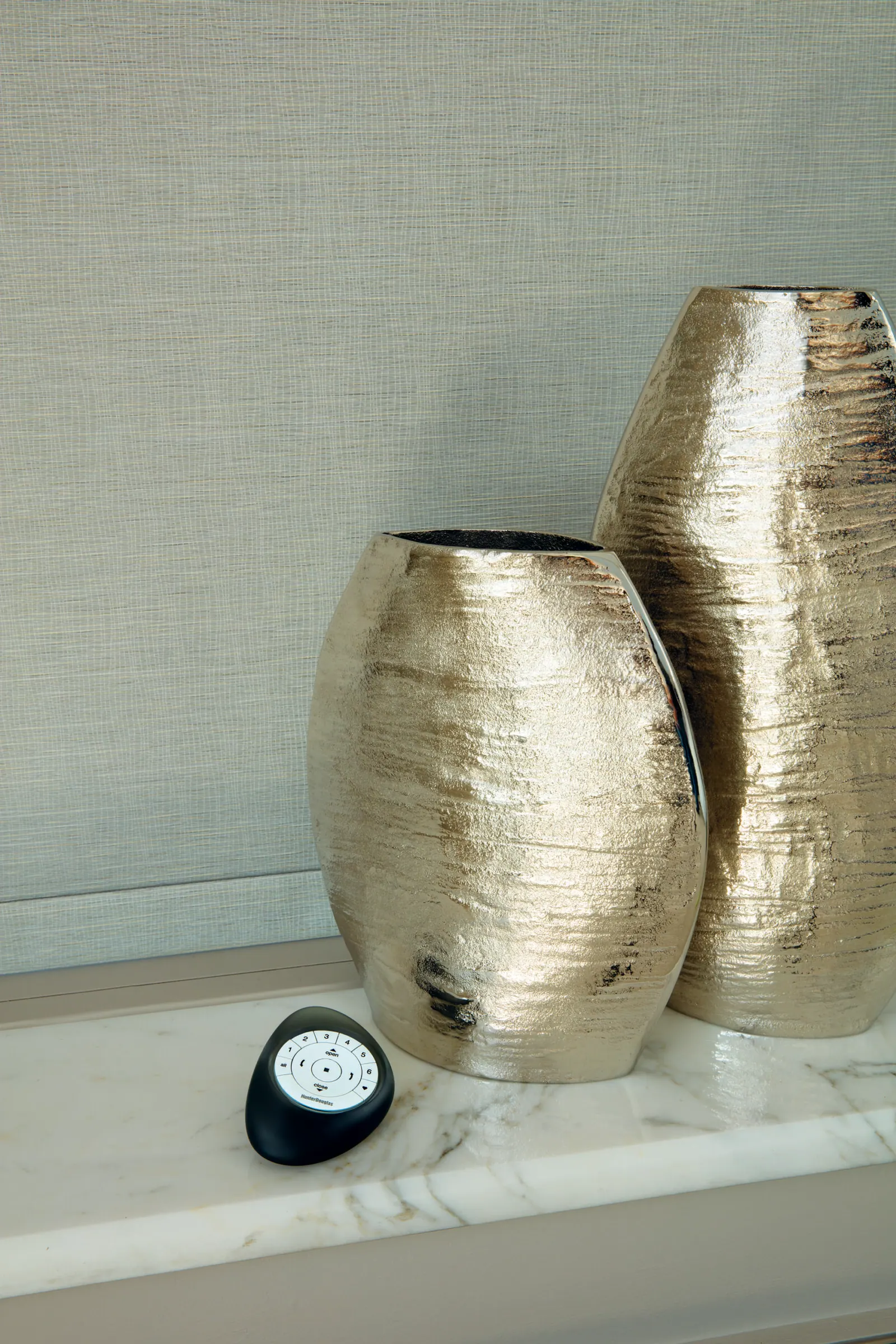
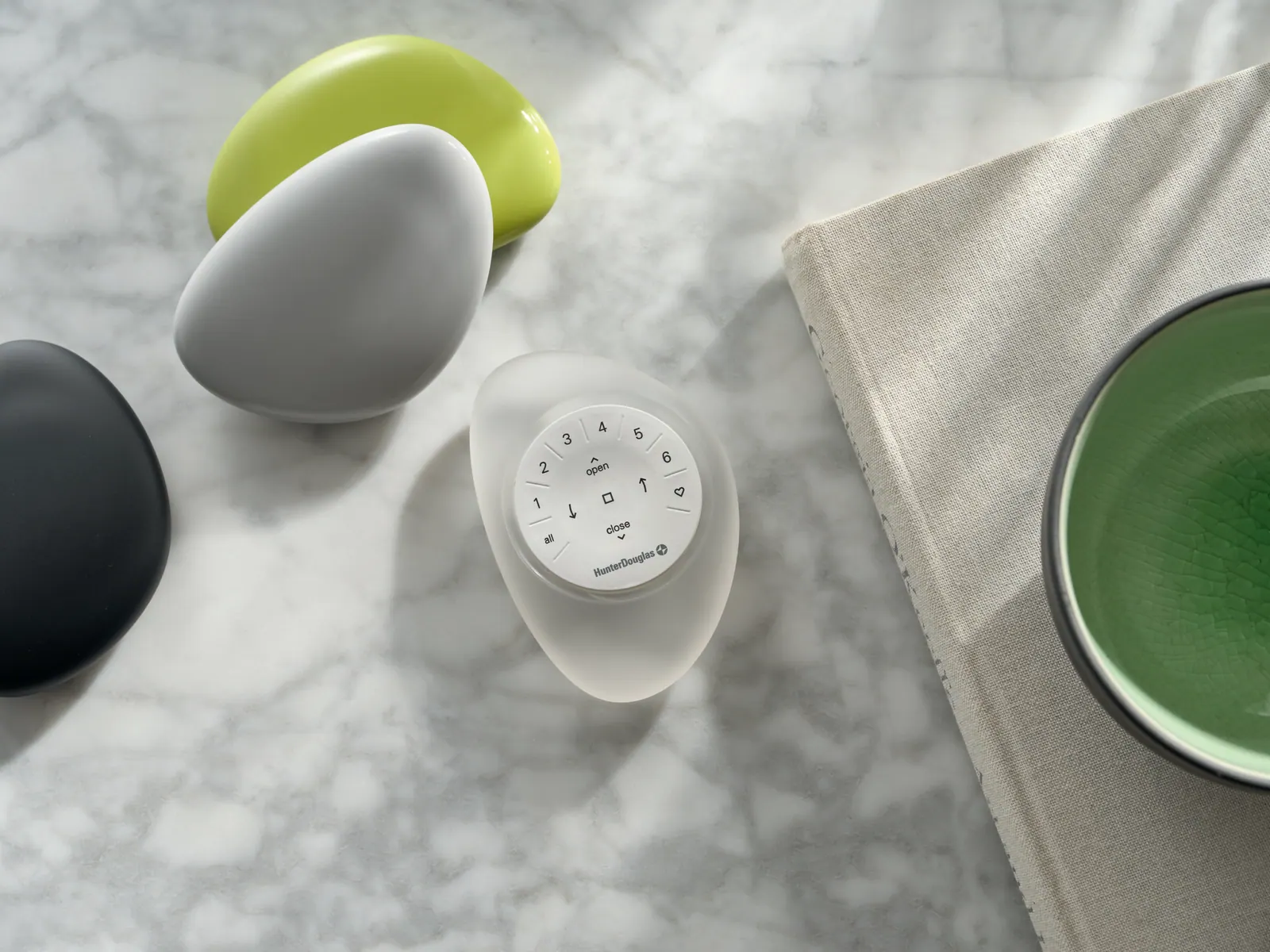
- Handheld remote. Simple, reliable, and included. Channels let one remote run individual shades, rooms, or the whole house.
- Wall switch. A remote in a wall bracket, so it lives in a predictable place and looks like a light switch. We recommend one per room.
- App control. Phone or tablet, over your home network. This is where scheduling and scenes live.
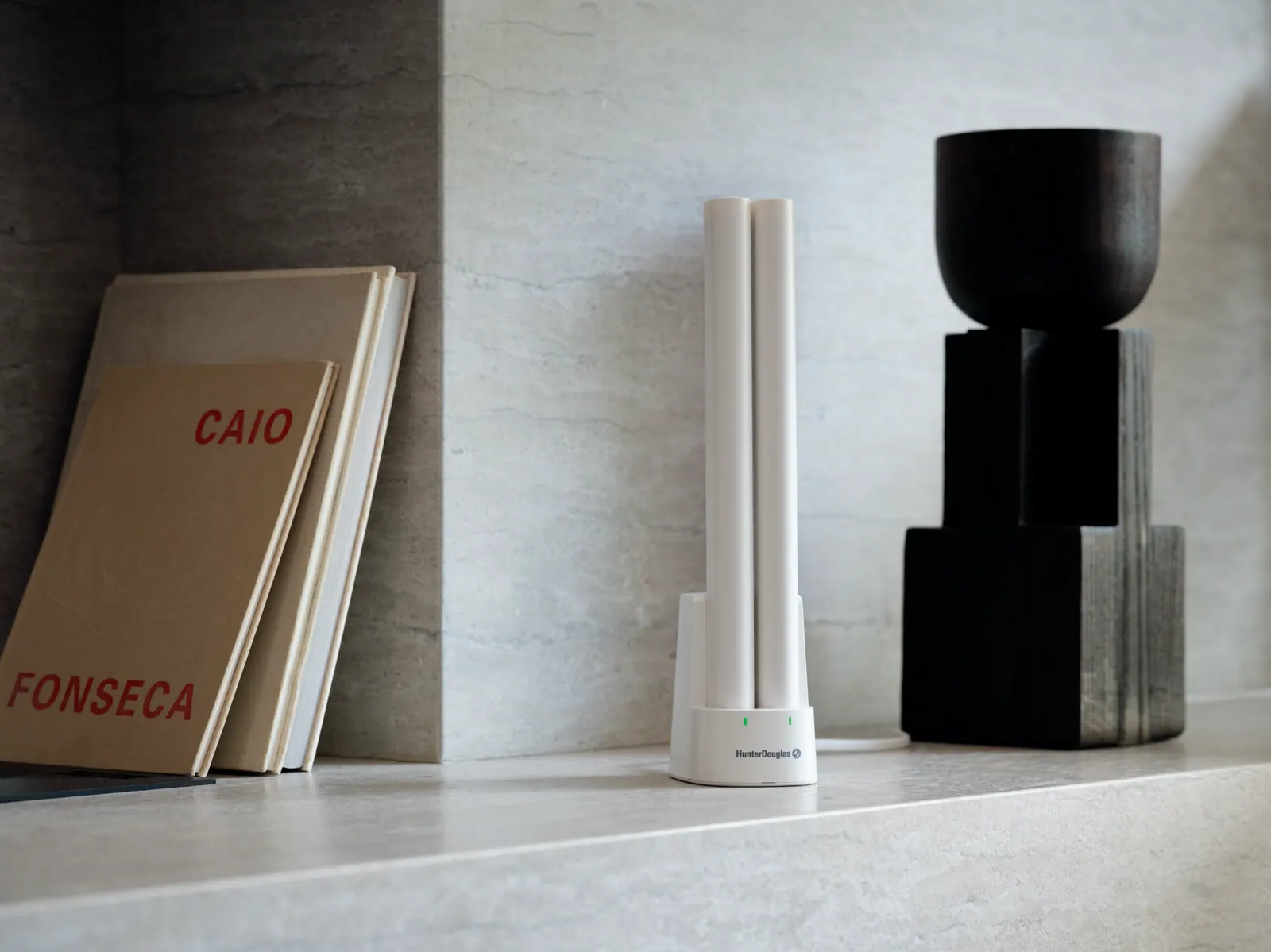
- Voice. Works with the major voice assistants through a hub. Genuinely useful with full hands and a room that has gone dark.
- Sun sensors. Automatically close a shade when direct sun hits the window and reopen it when the sun moves off. This is the most underrated option in the category for a Colorado west-facing room.
Scenes are where this gets good. A single 'Morning' command that opens the kitchen and living room shades but leaves the bedrooms closed, or an 'Away' schedule that varies shade positions through the day, takes a few minutes to set up and then works forever.
What motorisation costs
As a rule of thumb, motorising a shade adds somewhere in the region of a few hundred dollars per window over the manual version, with battery motors at the lower end and hardwired systems higher once you account for the transformer and wiring.
The cost per window falls as you do more of them, because the remotes, hub and setup are shared across the whole system. Motorising one window is proportionally expensive; motorising a whole floor is not.
Our honest advice on budget: if you cannot motorise everything, motorise the windows you cannot reach and the ones facing west. Those two categories deliver almost all the practical benefit. The convenience on an easily reachable north-facing bedroom window is real but modest.
Reliability, noise and what goes wrong
Modern motors are quiet: a soft hum for a few seconds, not the grinding of a decade ago. In a bedroom on a morning schedule you will hear it, but it is closer to a fan than a machine.
The failure modes worth knowing: batteries eventually stop holding charge and are replaceable; remotes lose pairing occasionally and re-pair in under a minute; and a motor that has been fighting an overweight or binding shade will fail earlier than one that has not, which is an argument for having the treatment specified properly in the first place.
We service what we sell. If a motor fails inside warranty we handle it, and if it fails outside warranty we can usually replace the motor without replacing the shade.
Common questions
- How long do the batteries last in motorized shades?
- One to three years per charge for most rechargeable motors, depending on shade size and how many times a day it runs. A small shade on a once-daily schedule sits at the long end; a large shade running on a sun sensor several times a day sits at the short end. Solar charging removes the question entirely on sunny windows.
- Can motorized shades be added to windows I already have?
- The motor goes inside the headrail or tube, so retrofitting usually means new treatments rather than motorising existing ones. There are some retrofit tube motors for existing roller shades, but for blinds and cellular shades it is generally a new-treatment conversation. We will tell you honestly which applies to your windows.
- Do motorized blinds work with Alexa or Google Home?
- Yes, through a bridge or hub that connects the shade network to your home network. Once linked, voice commands and routines work as you would expect. Setup is part of what we do at installation rather than something we leave you to work out.
- What happens in a power outage?
- Battery-powered motors carry on as normal. That is one of their advantages. Hardwired systems stop until power returns, though most retain their programming and resume their schedule automatically. Manual override is available on most systems if you need to move a shade during an outage.
- Is motorization worth it?
- On windows you cannot reach, unquestionably. On west-facing glass in Colorado, the scheduled closing does real work on comfort and cooling. On a reachable bedroom window it is a genuine convenience but not a transformation. We would rather you motorised the right eight windows than all twenty.